 7 min read




“Takeoff” and “estimate” get used interchangeably on most job sites - but they are two different deliverables that answer two different questions. Confusing them is one of the quickest ways to order the wrong service, miss scope, or hand in a bid that quietly eats your margin. Here is the clear distinction, plus how the two fit together in a winning bid.
What is a construction takeoff?
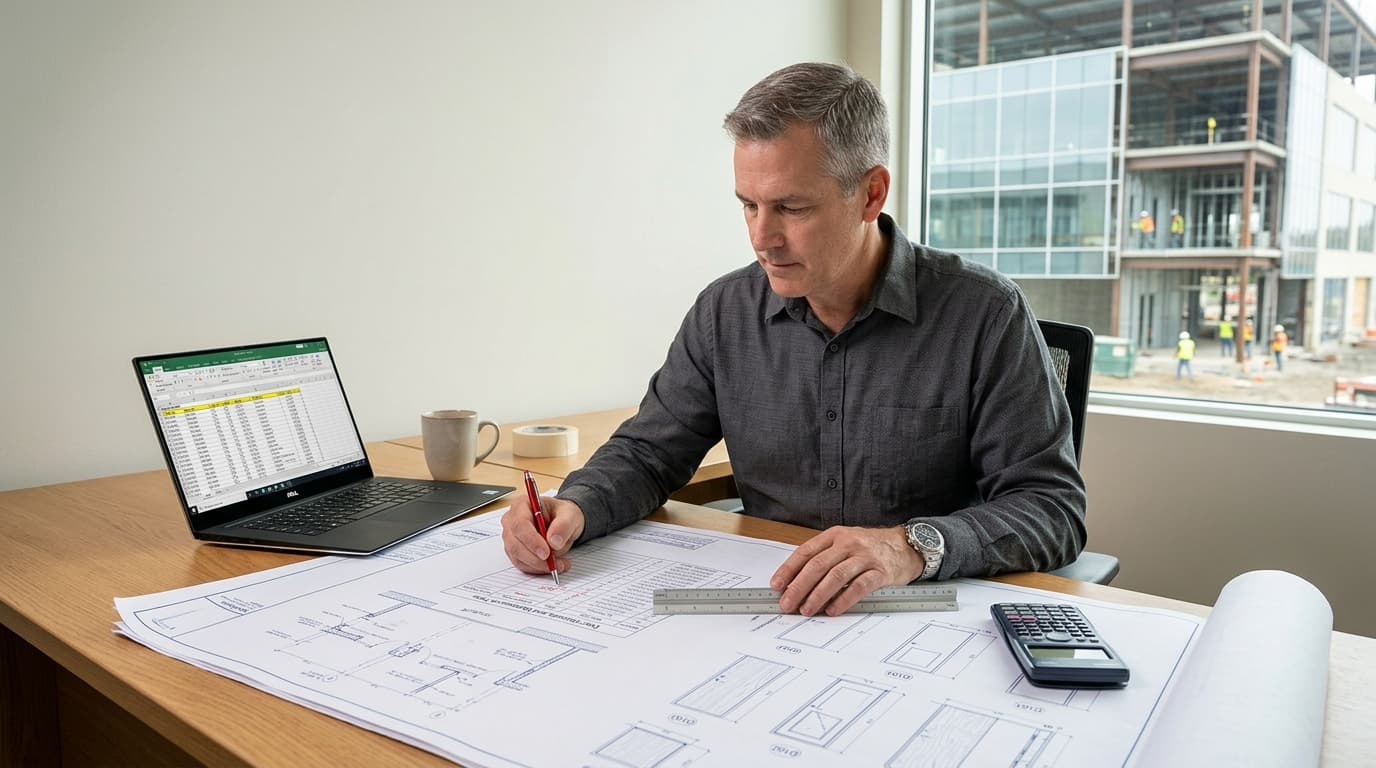
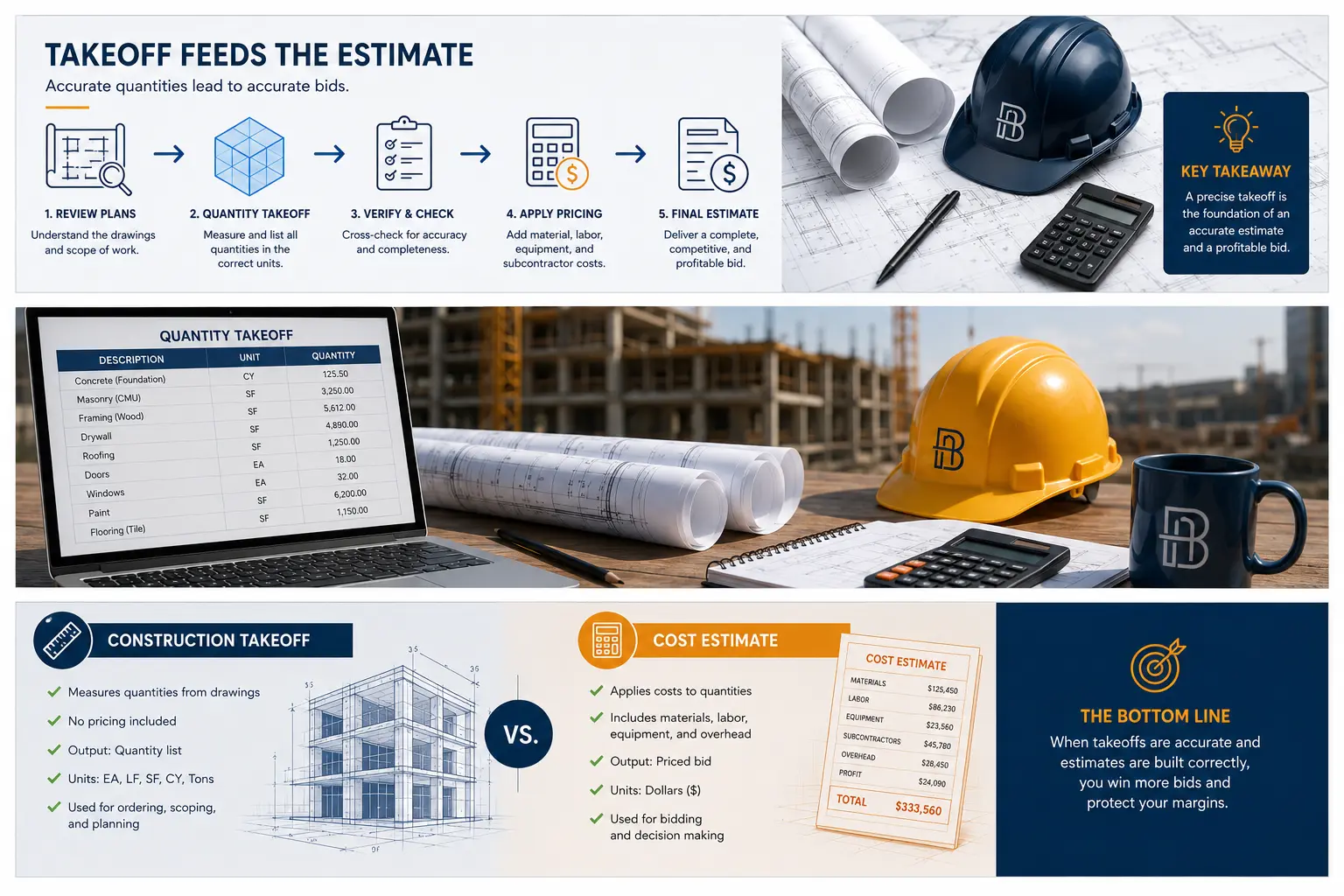
A construction takeoff (also called a quantity takeoff or material takeoff) is the process of measuring and listing every quantity shown on the drawings. It answers a single question: how much work and material is there? A takeoff counts items, measures lengths, calculates areas, and works out volumes — then records them in the right units, such as each (EA), linear feet (LF), square feet (SF), cubic yards (CY), or tons.
A takeoff does not contain prices. It is the measured foundation that everything else is built on. If the takeoff is wrong, every number after it is wrong too.
What is a cost estimate?
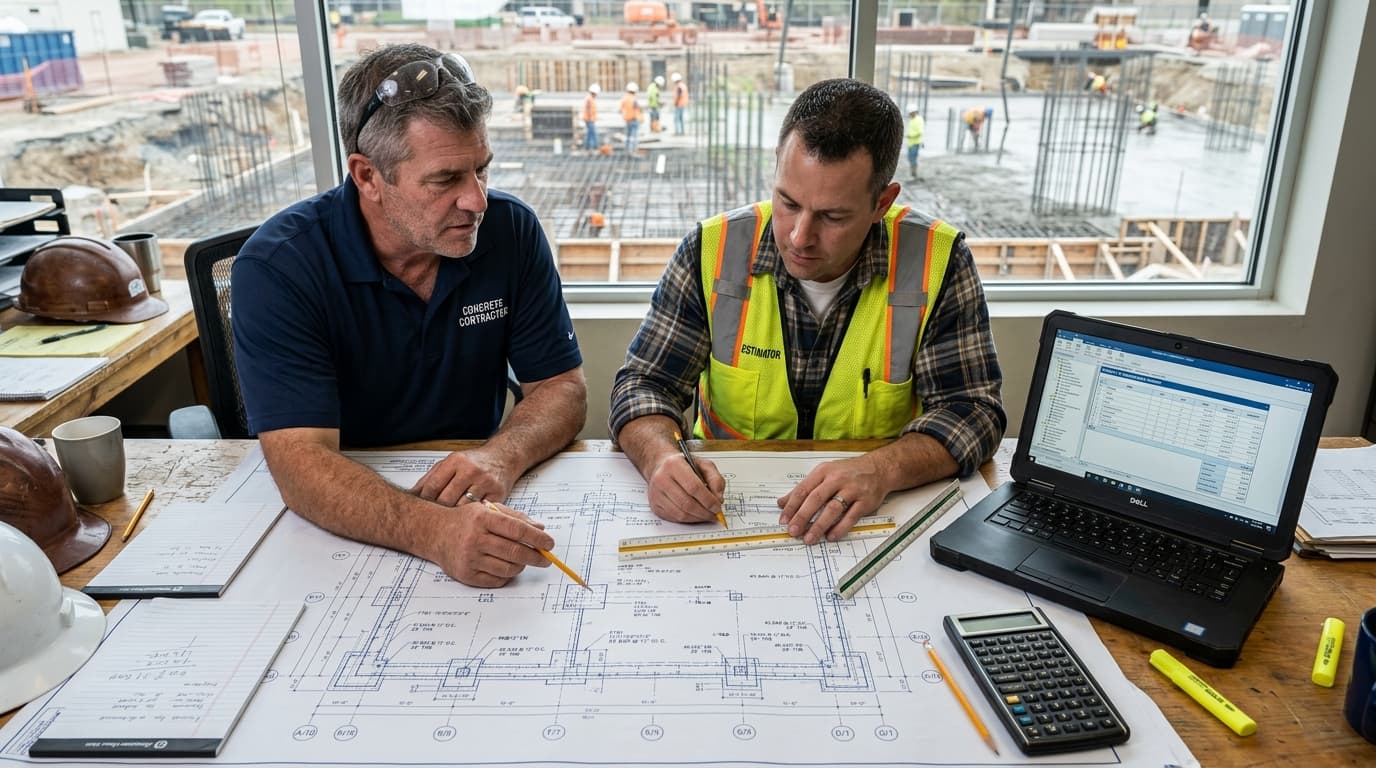
A cost estimate takes the quantities from the takeoff and turns them into dollars. The estimator applies current material pricing, labor hours and wage rates, equipment costs, subcontractor pricing, overhead, and a margin for profit and risk. It answers a very different question: what will this project cost, and what should I bid?
In short, the takeoff tells you how much; the estimate tells you how much it costs.
Takeoff vs. estimate at a glance:
- Purpose: a takeoff measures quantities; an estimate prices them.
- Output: a takeoff produces a quantity list; an estimate produces a priced bid.
- Units: takeoffs are in EA, LF, SF, CY, tons; estimates are in dollars.
- Sequence: the takeoff always comes first and feeds the estimate.
- Use case: use a takeoff to order materials or scope work; use an estimate to bid a job.

How the two work together
Think of the takeoff as the blueprint for the estimate. The estimator extracts quantities from the plans, then layers cost on top: material prices with waste factors, labor based on production rates, equipment time, and finally overhead and profit. Because the estimate inherits the takeoff’s numbers, accuracy compounds. A 5% counting error in the takeoff becomes a 5% error in your bid - on a thin-margin job, that can be the difference between profit and loss.
Why Accurate Takeoffs Matter
A construction estimate is only as accurate as the takeoff behind it. Every quantity listed in a takeoff directly influences material purchases, labor planning, equipment scheduling, and overall project costs. Even a small mistake can have significant financial consequences.
For example, if a concrete takeoff undercounts the required cubic yards by just 5%, the contractor may need to place an additional order during construction, often at a higher cost and with potential project delays. Likewise, overestimating quantities can tie up cash in unnecessary materials and reduce competitiveness during bidding.
Accurate takeoffs help contractors:
- Reduce costly change orders
- Improve bid accuracy
- Minimize material waste
- Increase profit margins
- Build trust with clients and project owners
For these reasons, many successful contractors treat quantity takeoffs as one of the most important steps in the preconstruction process.
Real-World Example: Takeoff vs Estimate
Consider a commercial drywall project.
The takeoff might determine:
- 12,500 square feet of drywall
- 4,800 linear feet of metal studs
- 1,200 pounds of screws and fasteners
- 2,500 square feet of insulation
These quantities alone do not reveal the project's cost.
The estimator then applies pricing:
- Material costs from suppliers
- Labor hours based on production rates
- Equipment requirements
- Subcontractor quotes
- Overhead expenses
- Profit margin
The result is a complete estimate that might show a total project value of $185,000.
Without the takeoff, the estimate cannot be built. Without the estimate, the takeoff cannot become a bid.
Benefits of Using Professional Takeoff and Estimating Services
Many contractors perform takeoffs internally, but growing workloads often create time constraints. Professional takeoff and estimating services provide an efficient way to maintain accuracy while allowing project teams to focus on operations and client relationships.
Benefits include:
- Faster turnaround times
- Consistent quantity measurements
- Access to experienced estimators
- Reduced estimating overhead
- Improved bid volume
- Better bid-win ratios
For subcontractors and general contractors bidding multiple projects each week, outsourcing estimating functions can provide a significant competitive advantage.

When do you need each?
Ask for a takeoff when you only need quantities - to buy materials, check a supplier’s order, or scope a change. Ask for a full estimate when you are bidding and need defensible pricing. On larger or higher-risk jobs, you usually want both, prepared together so the numbers reconcile.
Common mistakes to avoid is treating a takeoff as a bid, quantities without pricing are not a number you can submit.Unit mix-ups confusing US tons with metric tons, or SF with SY, can create six-figure gaps.Scope gaps missing an entire division or assembly because it wasn’t on the page you measured.
Stale pricing - applying last year’s material costs to this year’s bid.
How Modern Estimating Software Improves Accuracy
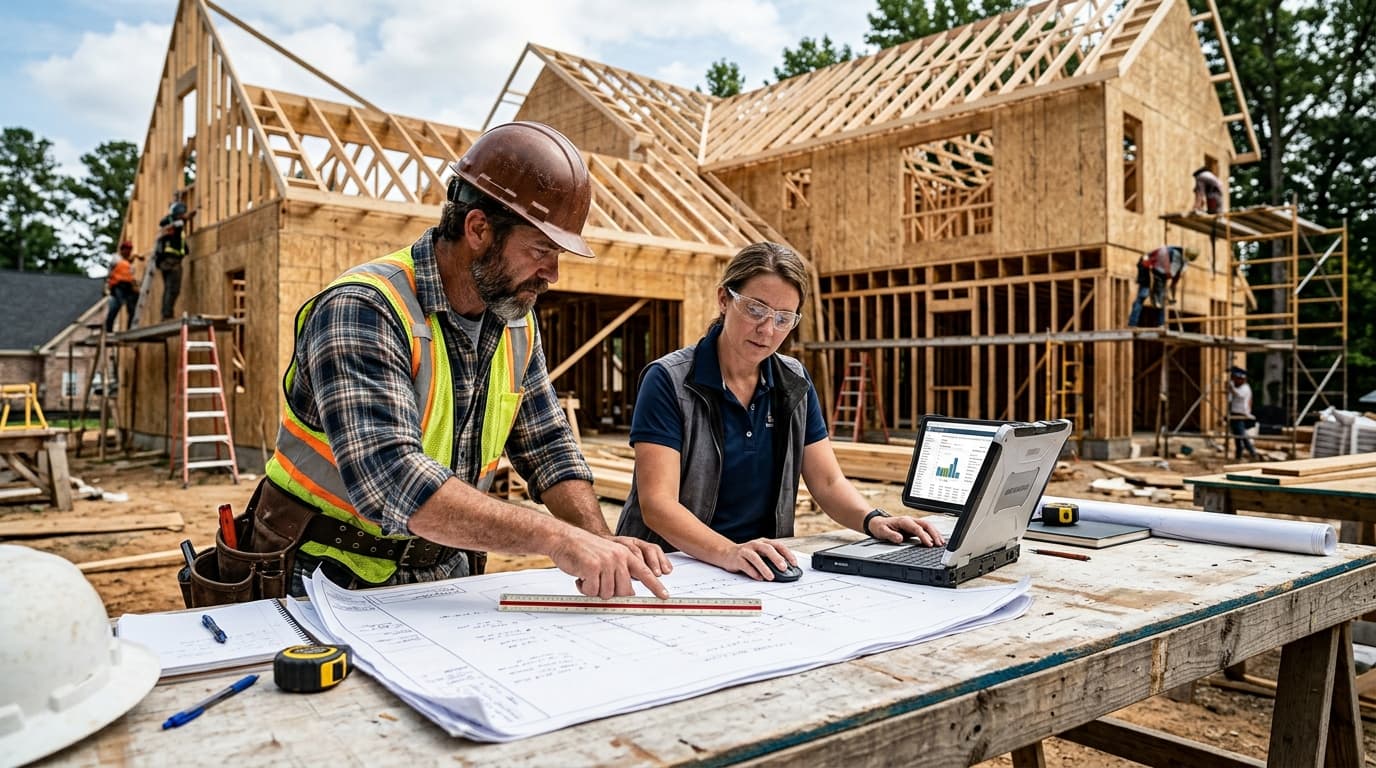
Construction estimating has evolved far beyond manual calculations and paper drawings. Modern takeoff and estimating software allows contractors to measure quantities directly from digital plans, automate calculations, and build estimates faster.
Popular estimating platforms can:
• Reduce manual measurement errors
• Improve collaboration between estimators and project managers
• Store historical pricing data
• Generate professional reports
• Speed up bid turnaround times
While software improves efficiency, the accuracy of the estimate still depends on the experience of the estimator reviewing quantities and pricing assumptions.
Why Contractors Outsource Takeoffs
Many contractors face the challenge of bidding more projects without expanding their internal estimating department. Outsourcing takeoff services helps solve this problem.
Contractors commonly outsource takeoffs when:
• Bid deadlines are approaching
• Internal staff are overloaded
• Specialized trades require expert review
• Additional bid capacity is needed
By outsourcing quantity takeoffs, contractors can focus on operations, project delivery, and client relationships while still submitting competitive bids.
Final Thoughts
Understanding the difference between a construction takeoff and a cost estimate is essential for successful bidding. A takeoff measures the quantities required for a project, while an estimate converts those quantities into a complete project cost. Neither replaces the other.
When used together, accurate takeoffs and reliable estimates help contractors reduce risk, improve profitability, and submit competitive bids with confidence. Whether you are pricing a residential remodel or a large commercial development, investing in accurate preconstruction services can have a direct impact on project success.
Frequently asked questions
1: Is a takeoff the same as an estimate?
No. A takeoff measures quantities; an estimate prices those quantities. The takeoff is one input into the estimate.
2: Which one comes first?
The takeoff always comes first. The estimate is built on the quantities it produces.
3: Can a contractor do their own takeoff?
Yes - many do. The challenge is time and consistency. Outsourcing the takeoff frees your team to focus on building while keeping quantities accurate.
4: Do I need both for a bid?
To submit a price you need an estimate, which requires a takeoff first. For ordering or scoping alone, a takeoff may be enough.
5: What is included in a construction takeoff?
A construction takeoff typically includes material quantities, measurements, counts, areas, volumes, and lengths extracted from project drawings. It does not include labor costs, material pricing, or profit margins.
6: How long does a construction takeoff take?
The time required depends on project size and complexity. Small residential projects may take a few hours, while large commercial or industrial projects can require several days of detailed quantity analysis.
7: What trades require quantity takeoffs?
Nearly every construction trade benefits from takeoffs, including concrete, masonry, drywall, framing, roofing, flooring, painting, plumbing, HVAC, electrical, and sitework.
8: Can inaccurate takeoffs affect profitability?
Yes. Inaccurate takeoffs often result in underbidding, material shortages, unexpected costs, and reduced profit margins. Accurate quantities are critical for successful project budgeting and bidding.
9: What is the difference between a quantity takeoff and a material takeoff?
A quantity takeoff measures all project quantities, including labor-related units and assemblies. A material takeoff focuses specifically on the materials required to complete the work.
10: Should subcontractors use estimating services?
A quantity takeoff measures all project quantities, including labor-related units and assemblies. A material takeoff focuses specifically on the materials required to complete the work.