 4 min read




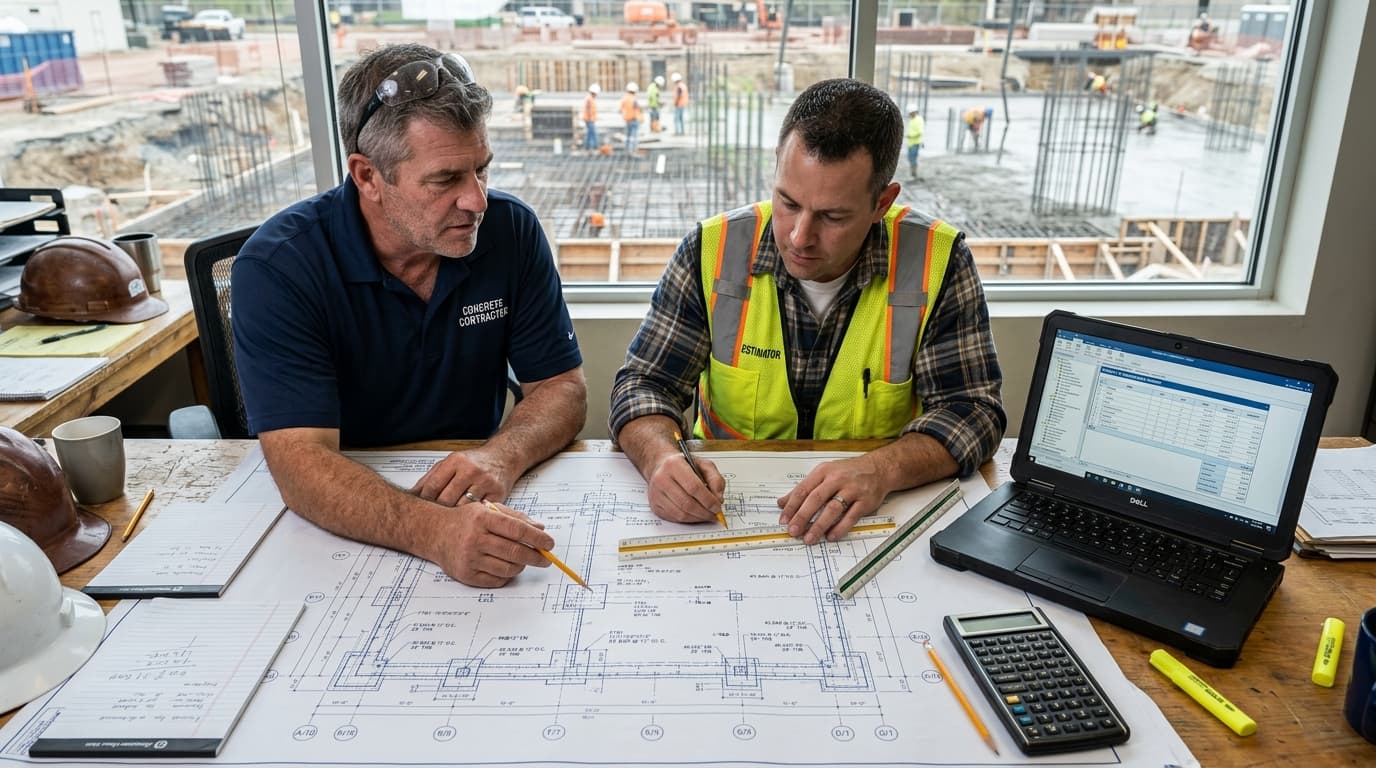
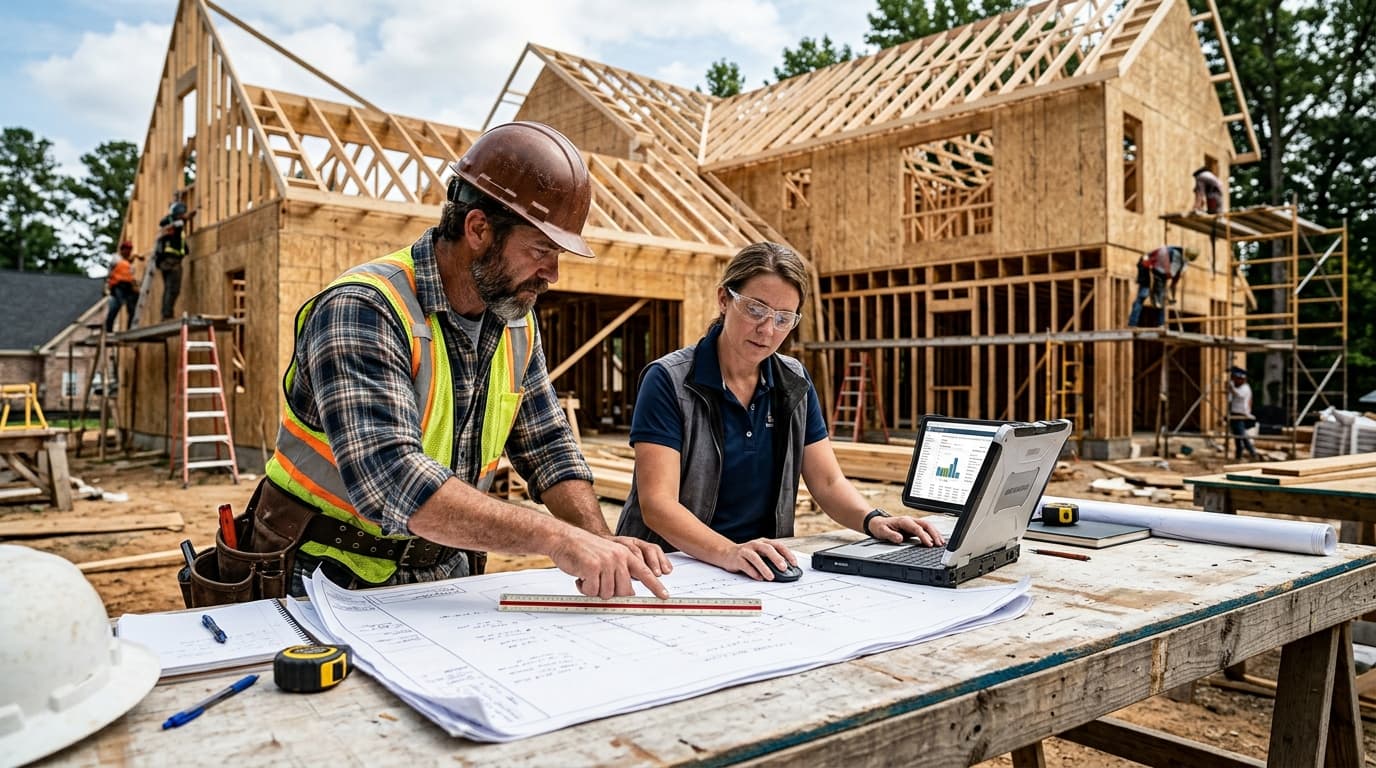
Every successful construction project begins with accurate planning, and one of the most important steps in that planning process is the material takeoff. Whether you're building a new home, renovating a commercial property, or preparing a competitive bid, knowing exactly how much material a project requires can save thousands of dollars and prevent costly delays.
A material takeoff is more than just counting bricks or measuring drywall. It involves reviewing construction drawings, identifying every material required, calculating precise quantities, and organizing everything into a structured list that purchasing teams and estimators can rely on.
What Is a Material Takeoff?
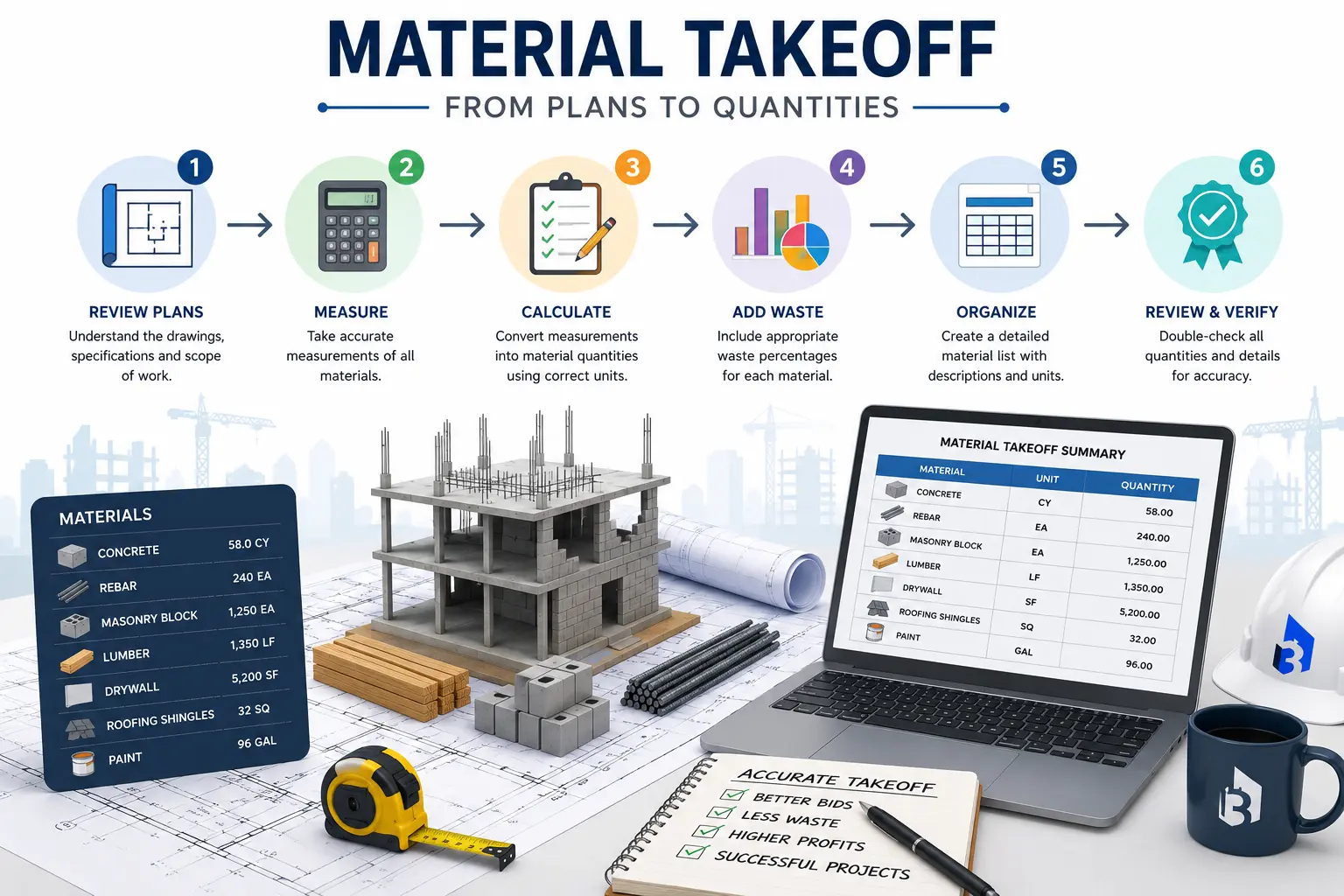
A material takeoff (MTO) is the process of identifying, measuring, and listing every material needed to complete a construction project. The goal is to determine:
- Material type
- Material quantity
- Unit of measurement
- Waste allowance
- Purchase requirements
A completed material takeoff forms the foundation of a construction estimate because material costs often represent a significant portion of the total project budget.
Why Is a Material Takeoff Important?
An accurate material takeoff helps contractors:
- Prepare competitive bids
- Reduce material waste
- Avoid over-ordering
- Prevent costly shortages
- Improve project scheduling
- Increase profit margins
- Simplify procurement
Without an accurate takeoff, even a small measuring error can result in expensive budget overruns.
Documents You'll Need Before Starting
Before beginning a material takeoff, gather the latest project documentation. These typically include:
- Architectural drawings
- Structural drawings
- Floor plans
- Elevation drawings
- Site plans
- Specifications
- Construction notes
- Material schedules
Always verify you're working from the latest revision to avoid estimating outdated information.
Step 1: Review the Construction Drawings
Start by carefully studying the complete drawing set. Look for:
- Project dimensions
- Room layouts
- Structural details
- Wall types
- Door and window schedules
- Finish schedules
- Material specifications
Understanding the scope before measuring prevents omissions later.
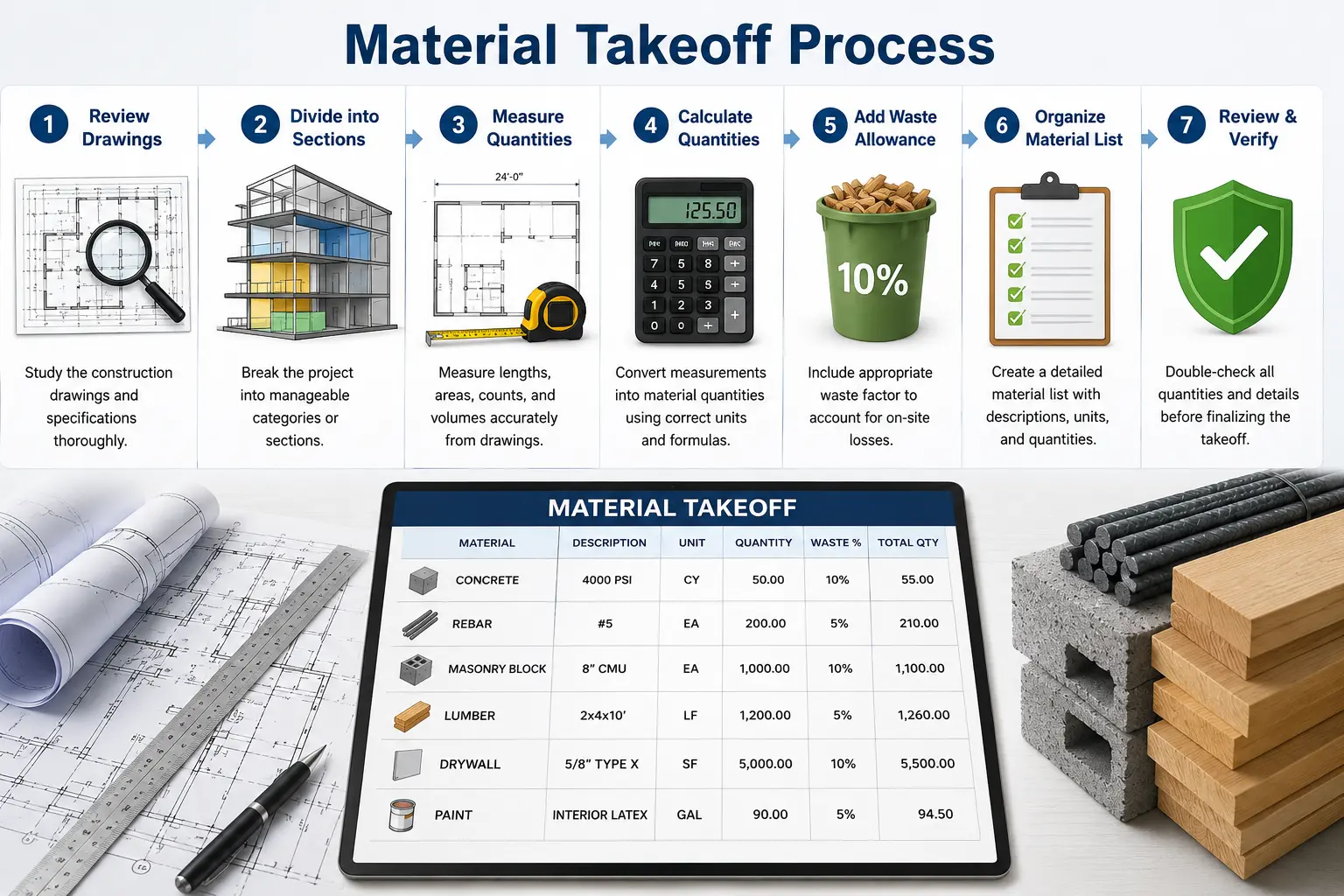
Step 2: Divide the Project into Sections
Instead of estimating the entire building at once, divide it into manageable categories. Common sections include:
- Site work
- Concrete
- Masonry
- Structural steel
- Lumber
- Roofing
- Drywall
- Flooring
- Insulation
- Doors
- Windows
- Finishes
Breaking the project into sections improves organization and reduces mistakes.
Step 3: Measure Every Material
Using scaled drawings or digital takeoff software, calculate the required quantities. Measurements may include:
Linear Feet
Used for:
- Baseboards
- Pipes
- Trim
- Handrails
Square Feet
Used for:
- Flooring
- Roofing
- Drywall
- Painting
- Siding
Cubic Yards
Used for:
- Concrete
- Excavation
- Fill material
Counts
Used for:
- Doors
- Windows
- Fixtures
- Cabinets
- Equipment
Record every measurement carefully.
Step 4: Calculate Material Quantities
After taking measurements, convert them into purchasing quantities. For example:
- Drywall sheets
- Concrete volume
- Lumber pieces
- Roofing bundles
- Ceiling tiles
- Flooring boxes
Always follow manufacturer coverage rates rather than rough estimates.
Step 5: Include Waste Allowances
No construction project uses materials with 100% efficiency.
Typical waste allowances include:
Drywall 10%, Flooring 5-10%, Roofing 5-10%, Tile 10%, lumber 5-10% & Paint 5%.
Including waste prevents costly reorders during construction.
Step 6: Review Everything
Before finalizing:
- Double-check measurements
- Verify drawing revisions
- Compare with project specifications
- Check waste calculations
- Review unusual quantities
- Ensure nothing has been missed
Professional estimators often review the takeoff multiple times before submitting a bid.
Common Material Takeoff Mistakes
Many estimating errors occur because contractors rush through the process. Avoid these common mistakes:
- Using outdated drawings
- Missing specification changes
- Forgetting waste factors
- Double-counting materials
- Incorrect unit conversions
- Ignoring manufacturer recommendations
- Estimating without checking dimensions
A careful review significantly improves estimating accuracy.
Manual vs Digital Material Takeoffs
Today, many contractors use digital estimating software instead of manual calculations.
Manual Takeoffs
Pros:
- Low cost
- Simple for small projects
Cons:
- Time-consuming
- Higher risk of errors
- Difficult to update revisions
Digital Takeoffs
Pros:
- Faster measurements
- Better accuracy
- Automatic quantity calculations
- Easy revisions
- Improved collaboration
For larger commercial projects, digital takeoffs often provide a significant productivity advantage.
Tips for More Accurate Material Takeoffs
Improve your takeoffs by following these best practices:
- Always use the latest drawing set.
- Measure systematically from one section to the next.
- Keep consistent units throughout the estimate.
- Include realistic waste allowances.
- Cross-check quantities with specifications.
- Document assumptions and exclusions.
- Review completed takeoffs before pricing materials.
Small improvements in accuracy can make a noticeable difference in profitability.
When Should You Outsource Material Takeoffs?
Many contractors outsource takeoff services when:
- Bid deadlines are tight
- Internal estimating teams are overloaded
- Projects are highly complex
- Specialized trade knowledge is required
- Additional estimating accuracy is needed
Professional takeoff services allow contractors to focus on winning projects while ensuring material quantities are prepared accurately.
Final Thoughts
A material takeoff is one of the most important steps in the construction estimating process. By carefully reviewing project drawings, measuring quantities accurately, accounting for waste, and organizing materials systematically, contractors can prepare more reliable estimates and avoid costly surprises during construction.
Whether you perform takeoffs manually or use modern estimating software, accuracy should always be the top priority. A well-prepared material takeoff leads to better purchasing decisions, stronger bids, smoother project execution, and ultimately higher profits.