 5 min read



How to Estimate a Construction Project Before Bidding
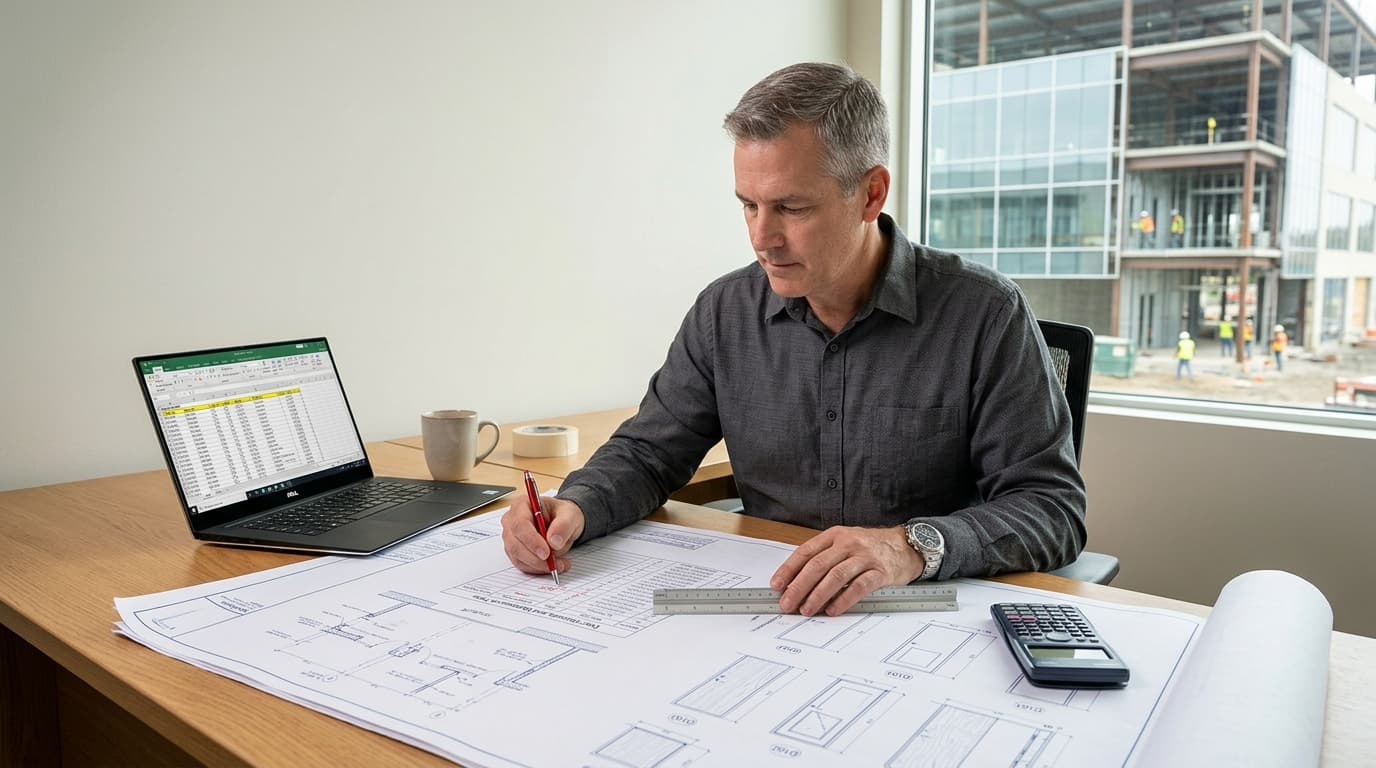
Winning construction projects starts long before you submit a proposal. Every successful contractor knows that creating an accurate construction estimate is one of the most important steps before placing a bid. Underestimating costs can reduce profits or even result in project losses, while overestimating may cause your proposal to lose against competitors.
Whether you're bidding on residential, commercial, or renovation work, learning how to prepare an accurate estimate before bidding helps improve profitability, build client trust, and increase your chances of winning projects.
In this guide, we'll walk through the complete estimating process used by professional estimators and explain how you can prepare competitive bids with confidence.
Why Estimating Before Bidding Matters
Your bid is only as good as your estimate. An accurate estimate helps contractors:
- Understand the true project cost
- Set realistic profit margins
- Reduce financial risk
- Avoid unexpected expenses
- Build confidence during negotiations
- Improve bid win rates
Professional contractors spend significant time reviewing project documents before pricing because even a small estimating error can cost thousands of dollars.

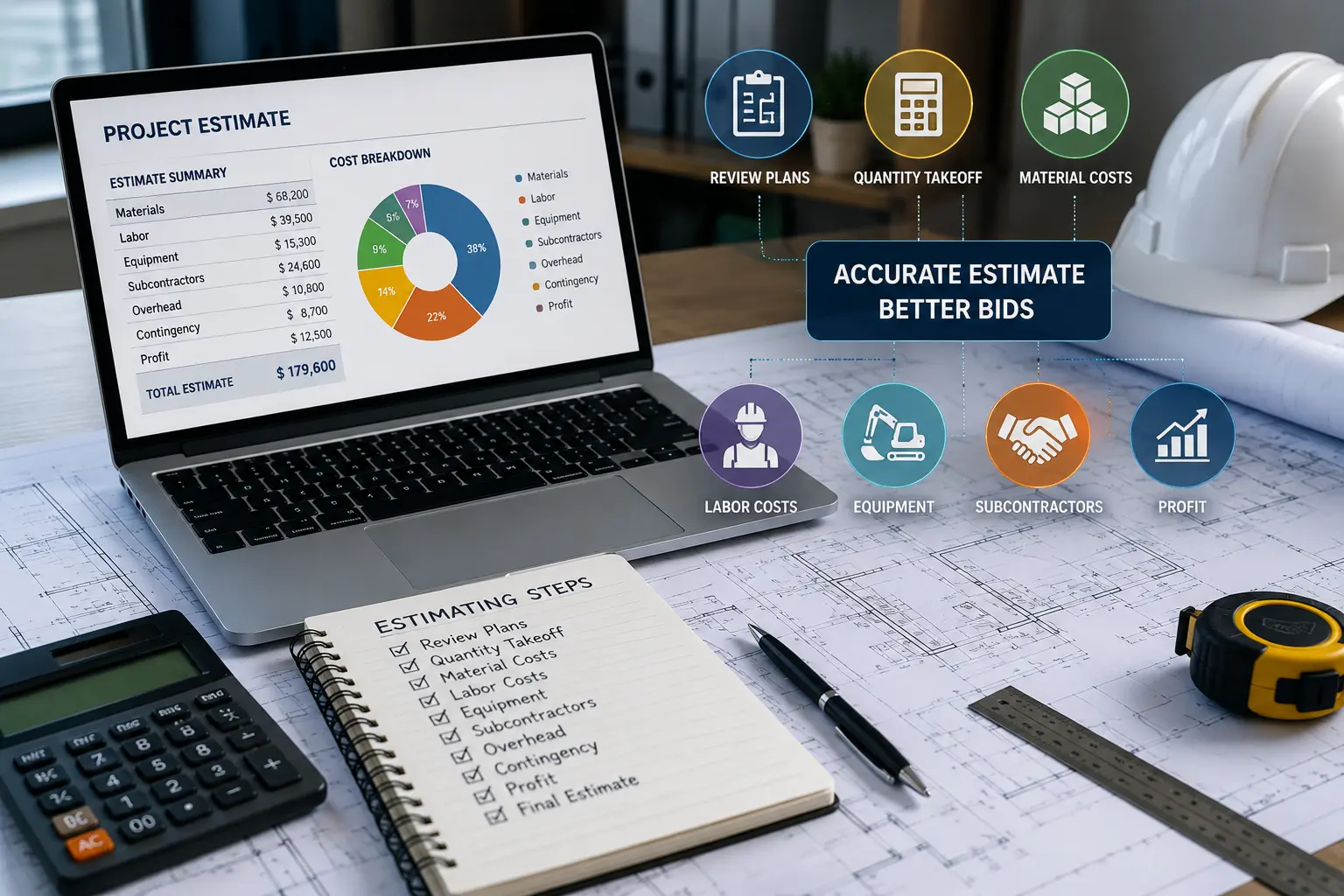
Step 1: Review the Project Documents
Every estimate begins with carefully studying the available documents. These typically include:
- Architectural drawings
- Structural plans
- Mechanical drawings
- Electrical drawings
- Plumbing plans
- Project specifications
- Scope of work
- Site information
Review every page carefully. Missing one note or specification could significantly affect your final estimate.
Pay special attention to:
- Material requirements
- Finish schedules
- Building codes
- Special installation methods
- Owner requirements
Understanding the complete scope is the foundation of an accurate construction estimate.
Step 2: Perform a Quantity Takeoff
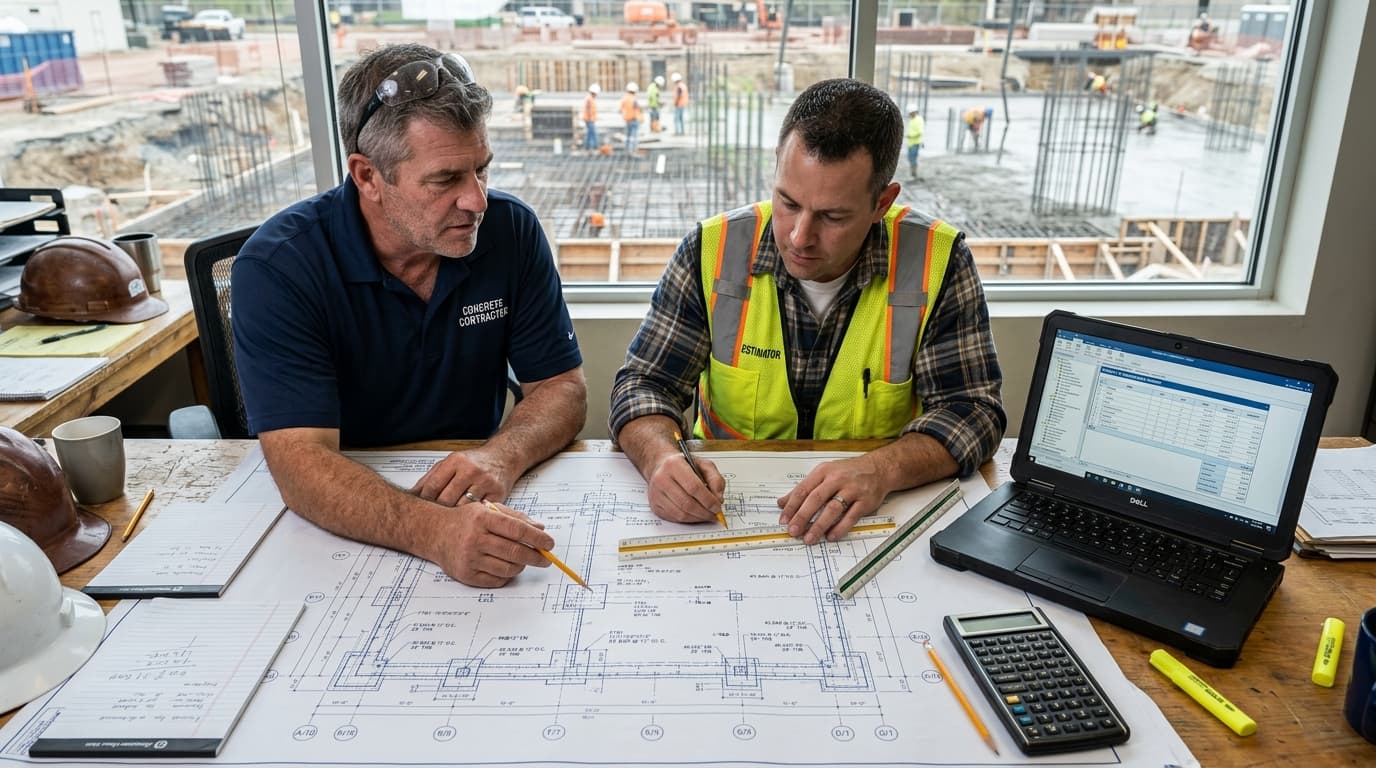
Once you've reviewed the drawings, the next step is preparing a detailed quantity takeoff.
A quantity takeoff measures every material needed for construction.
Typical takeoff items include:
- Concrete
- Reinforcement steel
- Masonry
- Drywall
- Roofing
- Flooring
- Paint
- Doors and windows
- Structural steel
- Lumber
- Mechanical systems
The more detailed your takeoff, the more accurate your estimate becomes.
Modern estimating software can speed up this process, but experienced estimators still verify quantities manually.
Step 3: Estimate Material Costs
After calculating quantities, determine current material prices. Material costs vary based on:
- Supplier pricing
- Market demand
- Geographic location
- Shipping costs
- Bulk discounts
- Seasonal changes
Don't rely on outdated pricing.
Always request updated supplier quotations before submitting a bid.
Include:
- Material cost
- Delivery charges
- Waste allowance
- Taxes (if applicable)
- Storage costs
Small pricing differences across multiple materials can greatly impact your final estimate.
Step 4: Calculate Labor Costs
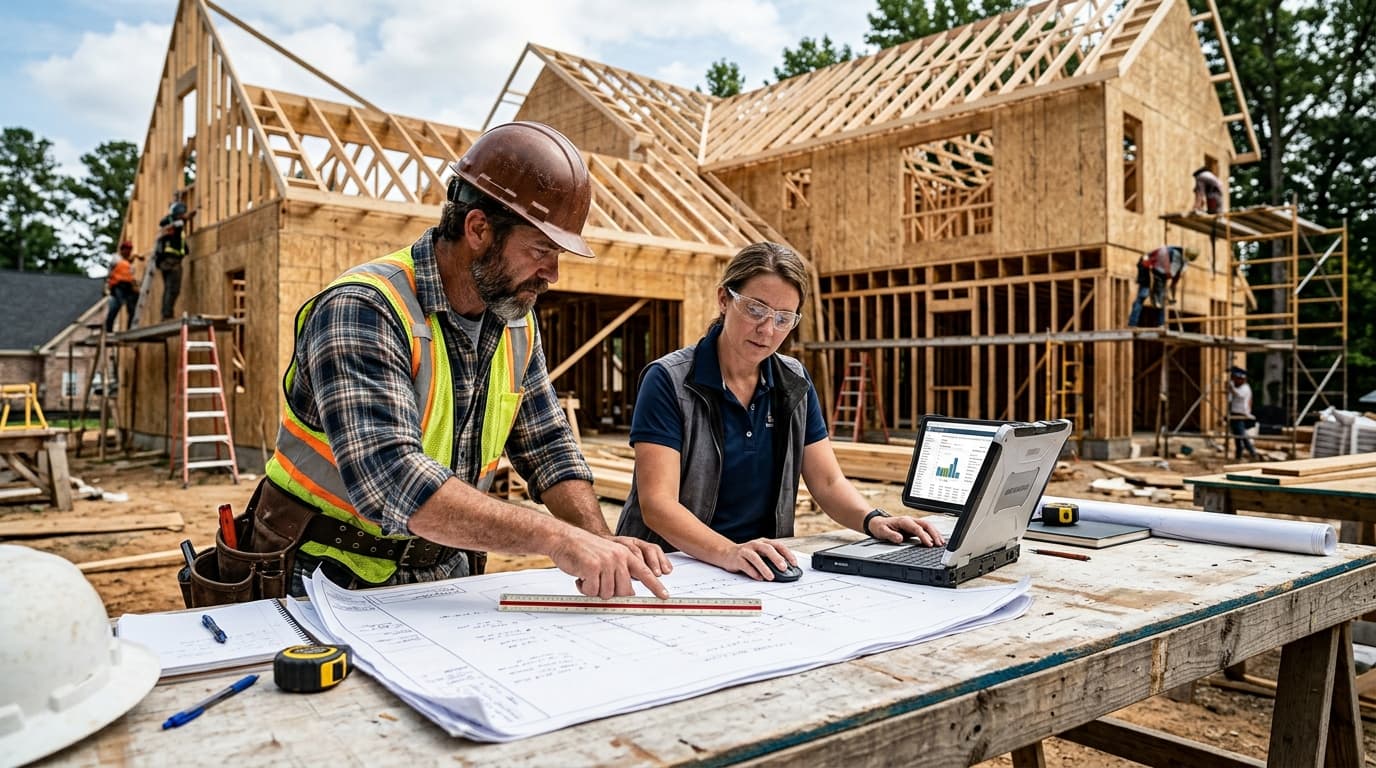
Labor is often the largest cost component in construction. Estimate labor based on:
- Crew size
- Productivity rates
- Skill level
- Local wage rates
- Working hours
- Overtime requirements
For example, installing drywall involves not only hanging panels but also taping, finishing, sanding, and cleanup.
Every labor activity should be included.
Ignoring labor productivity is one of the most common estimating mistakes.
Step 5: Include Equipment Costs
Many projects require rented or owned equipment. Examples include:
- Excavators
- Cranes
- Scaffolding
- Forklifts
- Concrete mixers
- Lifts
- Compactors
Your estimate should include:
- Rental fees
- Fuel
- Maintenance
- Transportation
- Operator costs
These expenses are often overlooked but can significantly affect profitability.
Step 6: Add Subcontractor Pricing
If parts of the project will be subcontracted, request quotations early. Typical subcontracted work includes:
- Electrical
- Plumbing
- HVAC
- Fire protection
- Elevators
- Landscaping
Compare multiple quotes rather than relying on a single contractor.
Evaluate subcontractors based on:
- Price
- Experience
- Schedule
- Previous performance
- Insurance coverage
The lowest quote isn't always the best value.
Step 7: Account for Overhead and Indirect Costs
Many contractors focus only on direct construction costs. However, overhead expenses must also be included.
Examples include:
- Office salaries
- Insurance
- Licensing
- Software subscriptions
- Vehicles
- Office rent
- Utilities
- Administrative expenses
These costs support the project even though they aren't directly tied to construction activities.
Ignoring overhead reduces overall profitability.
Step 8: Add Contingency
Unexpected issues happen on nearly every project.
Examples include:
- Material shortages
- Weather delays
- Design changes
- Price increases
- Site conditions
Most estimators include a contingency allowance depending on project complexity.
A contingency helps protect your business from unforeseen expenses without significantly affecting bid competitiveness.
Step 9: Apply Your Profit Margin
Once every cost has been calculated, determine your desired profit. Profit margins depend on factors such as:
- Competition
- Project size
- Market conditions
- Risk level
- Client relationship
Avoid selecting a profit percentage without understanding the project risks.
Sometimes accepting a slightly lower margin on a strategic project may lead to future opportunities.
Step 10: Review the Entire Estimate
Before submitting your bid, perform one final review.
Verify:
- Material quantities
- Labor calculations
- Equipment pricing
- Supplier quotes
- Subcontractor costs
- Mathematical accuracy
- Scope coverage
- Exclusions
Many estimating mistakes occur because estimates are rushed just before submission.
A careful review often identifies costly errors.
Common Estimating Mistakes
Even experienced contractors make estimating errors. The most common mistakes include:
- Missing scope items
- Using outdated material prices
- Forgetting labor productivity adjustments
- Ignoring equipment costs
- Underestimating overhead
- Not including contingency
- Copying estimates from previous projects without verification
- Rushing the estimating process
Avoiding these mistakes can significantly improve bid estimates accuracy.
Using Construction Estimating Services
Preparing detailed estimates requires time, experience, and specialized knowledge. Many contractors choose professional construction estimating services to:
- Save time
- Improve estimating accuracy
- Meet tight bid deadlines
- Handle larger projects
- Increase bidding capacity
Professional estimators use industry-standard software, current pricing databases, and years of experience to produce reliable estimates.
This allows contractors to focus more on project execution and business development.
Final Thoughts
Creating an accurate construction estimate before bidding is essential for every successful contractor. From reviewing project drawings and performing quantity takeoffs to calculating labor, materials, equipment, overhead, and profit, every step contributes to a competitive and profitable bid.
The most successful contractors don't simply guess project costs they follow a structured estimating process that minimizes risk and maximizes profitability. If you're looking to submit more competitive bids while saving valuable time, professional estimating support can make a significant difference.
At BidAccurate, we help contractors prepare precise construction estimates that improve bidding confidence and support successful project outcomes.