 8 min read


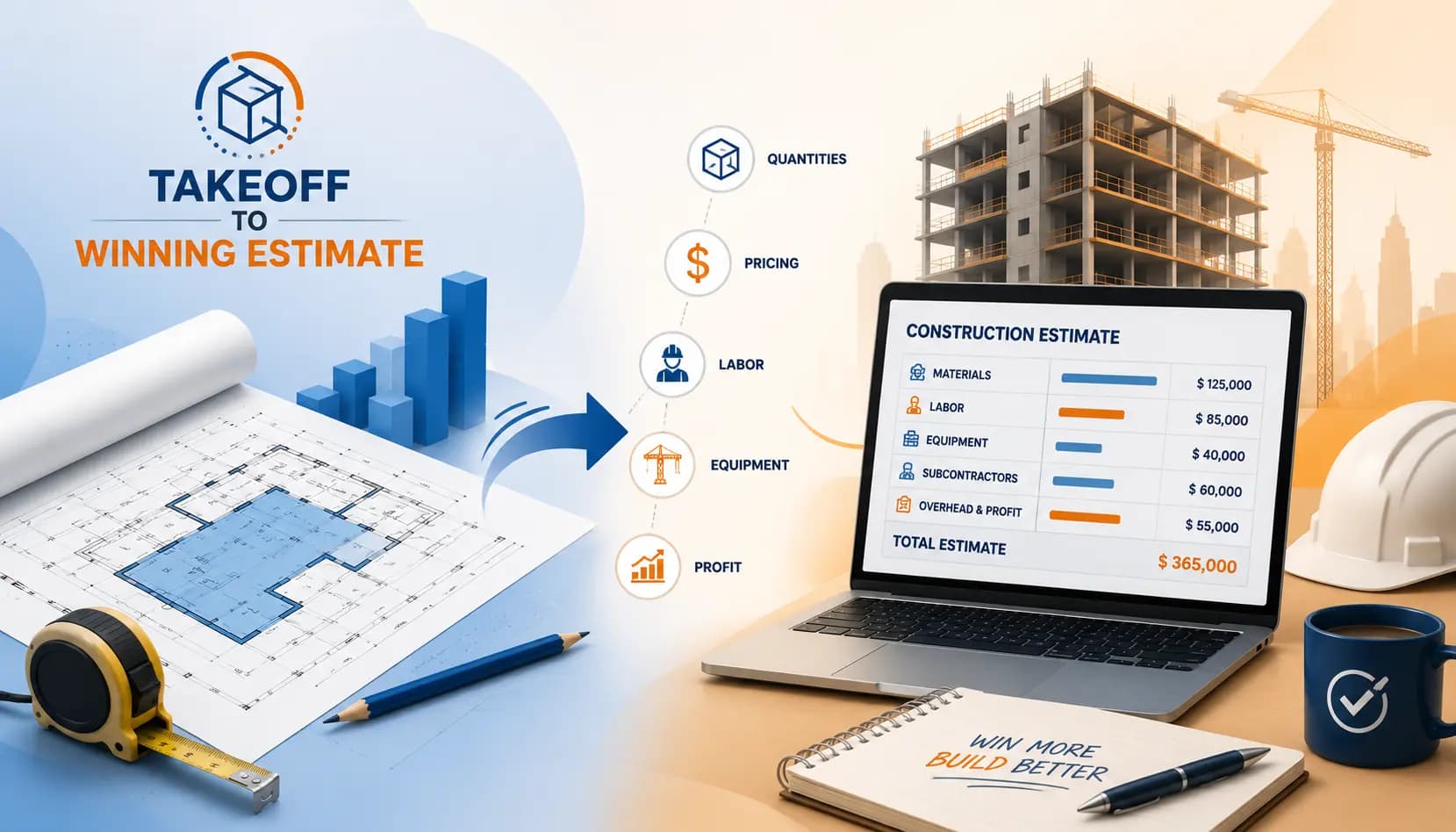

Winning construction projects starts long before a bid is submitted. Behind every successful proposal is a well-prepared construction estimate built on accurate data, realistic pricing, and careful planning. While many contractors understand the importance of preparing a quantity takeoff, fewer know how to transform those measurements into a complete construction estimate that wins projects while protecting profit margins.
A quantity takeoff identifies the materials needed for a project, but it doesn't account for labor, equipment, overhead, subcontractor costs, or profit. Without these additional calculations, contractors risk submitting bids that are either too high to remain competitive or too low to generate a healthy return.
What Is a Quantity Takeoff?
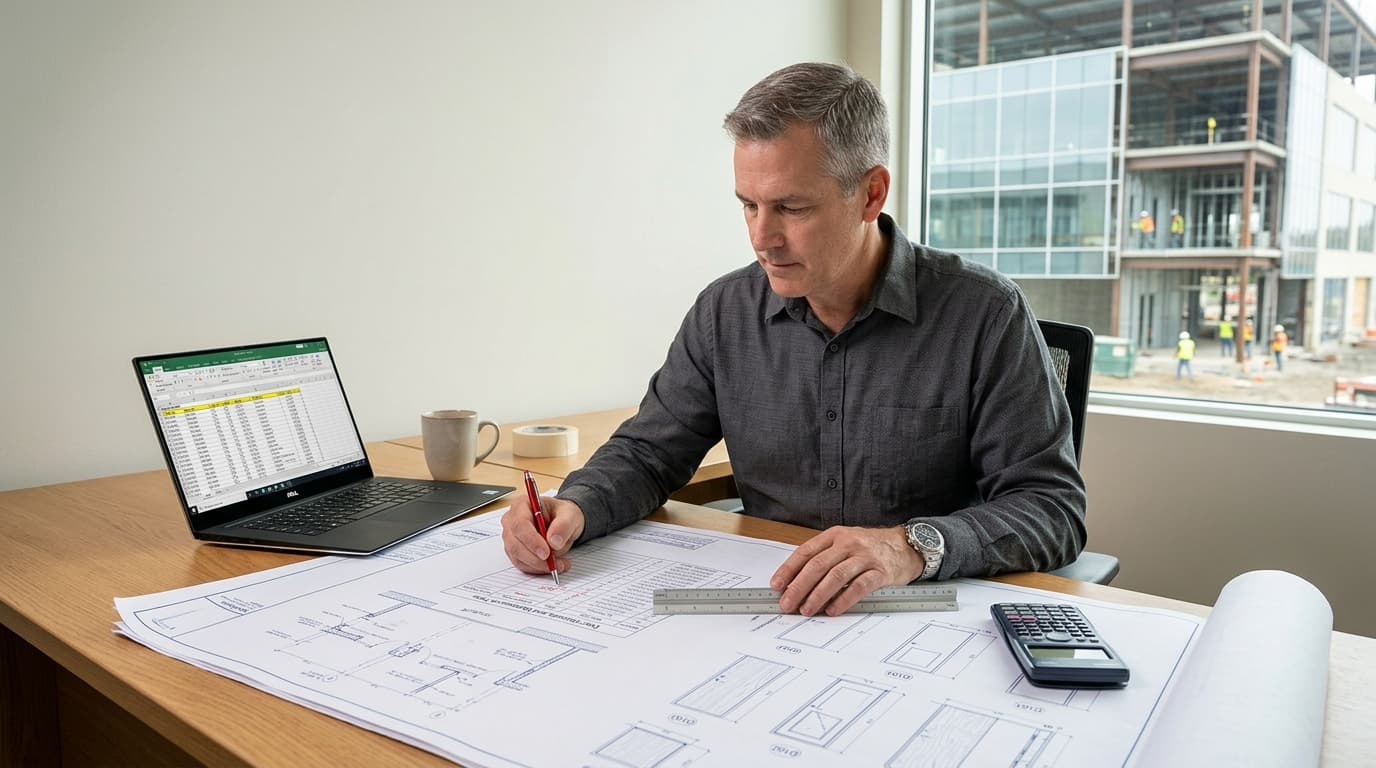
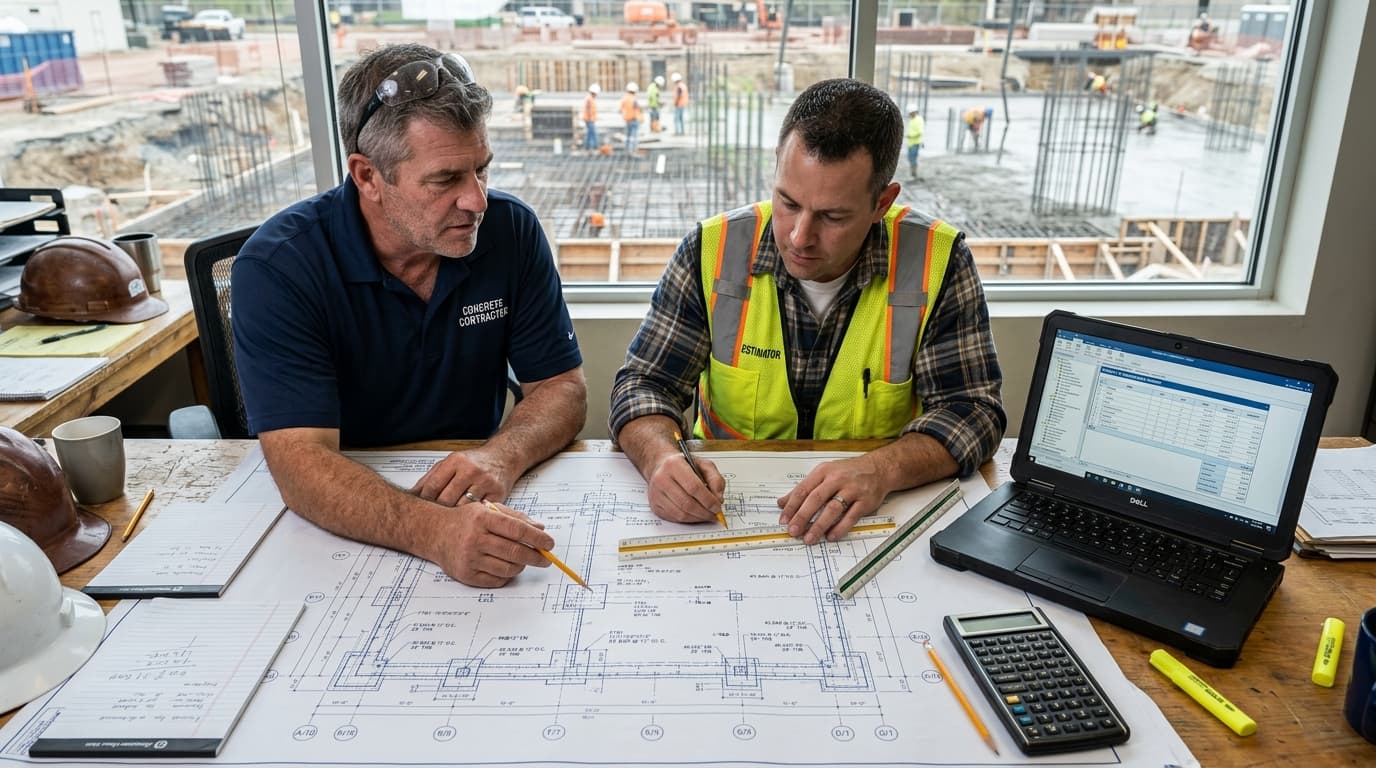
A quantity takeoff (QTO) is the process of measuring and listing every material required to complete a construction project. Estimators analyze architectural drawings, structural plans, and engineering documents to determine the exact quantities of materials needed before construction begins.
A typical quantity takeoff may include:
- Concrete volume
- Reinforcing steel
- Masonry blocks and bricks
- Structural steel
- Lumber and framing materials
- Drywall and insulation
- Flooring materials
- Roofing components
- Doors and windows
- Plumbing fixtures
- Electrical devices
- Paint and finishing materials
The purpose of a quantity takeoff is simple: determine how much of each material is required not how much it costs. By accurately measuring quantities before pricing begins, contractors can reduce material waste, improve procurement planning, and build more reliable estimates.
Why a Quantity Takeoff Alone Isn't Enough
Many newer contractors make the mistake of believing that completing a quantity takeoff means the estimate is finished. In reality, the takeoff is only the foundation of the estimating process. Imagine you've determined that a commercial office project requires:
- 2,500 square feet of drywall
- 450 cubic yards of concrete
- 18 tons of reinforcing steel
- 6,000 square feet of flooring
While these quantities are essential, they don't answer several critical questions:
- What are the current market prices for these materials?
- How many labor hours will installation require?
- Will specialized equipment be needed?
- Are subcontractors involved?
- What overhead expenses should be included?
- What profit margin is appropriate for the project?
- Should contingency costs be added?
These factors ultimately determine whether your bid is competitive and profitable. A successful construction estimate combines accurate quantities with accurate costs. Contractors who overlook either side of the process often experience budget overruns, change orders, or reduced profit margins.
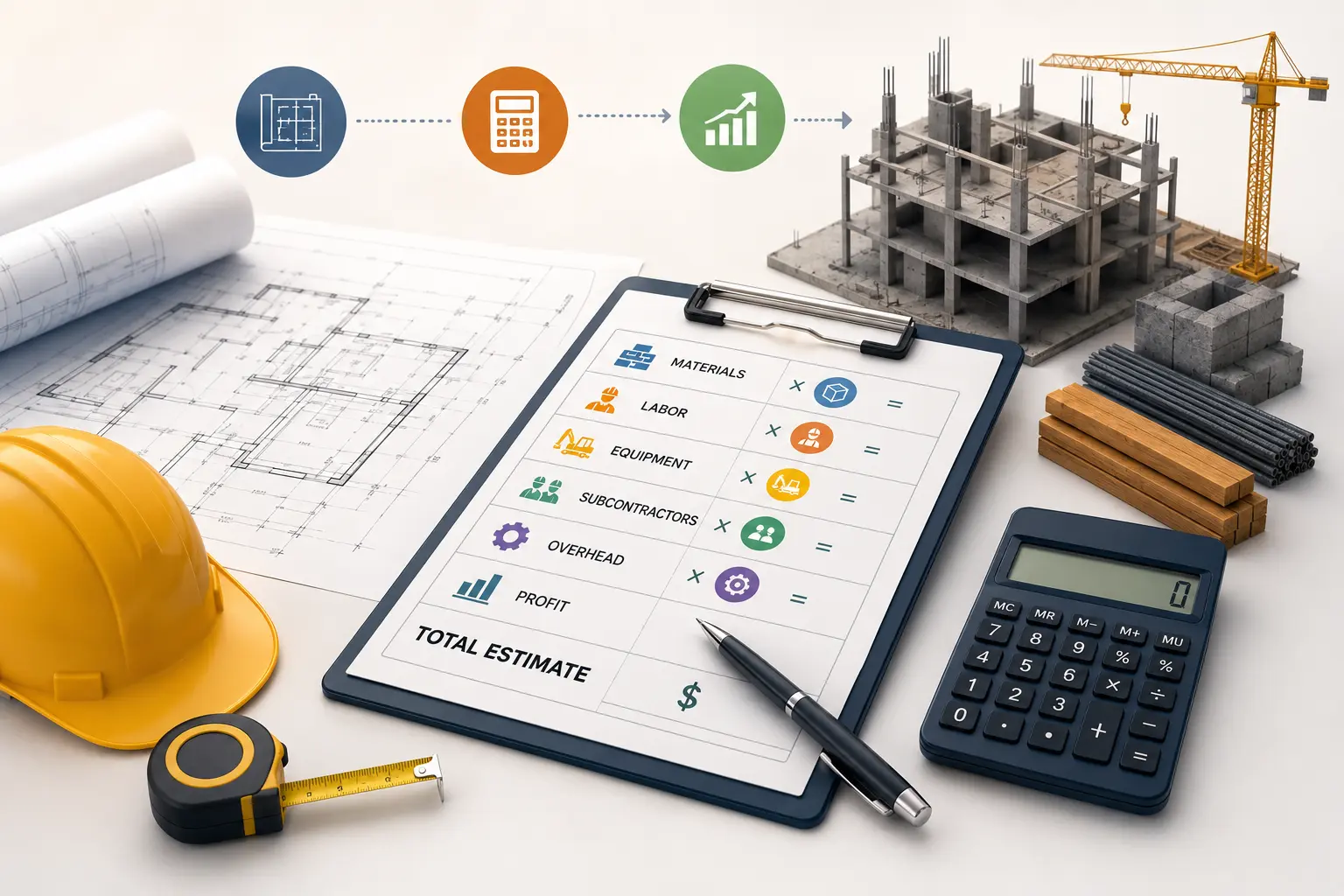
Step 1: Review and Verify Your Quantity Takeoff
Before assigning prices to materials, take time to verify that your quantity takeoff is complete and accurate. Even small omissions at this stage can lead to significant estimating errors later.
Start by reviewing the latest construction drawings and specifications. Ensure you're working from the most recent revision, as outdated plans often result in missing quantities or incorrect measurements. Next, verify that every major construction division has been included. Depending on the project scope, this may involve:
- Site preparation
- Concrete work
- Masonry
- Structural steel
- Carpentry
- Roofing
- Doors and windows
- Mechanical systems
- Plumbing
- Electrical work
- Interior finishes
It's also important to account for waste factors where applicable. Materials such as drywall, flooring, roofing, and paint typically require additional quantities to cover cutting, breakage, and installation losses. Applying realistic waste percentages helps avoid costly shortages during construction. Finally, compare your takeoff against the project specifications. Some materials or installation requirements may not be clearly illustrated on the drawings but are outlined in the written specifications. Taking an extra hour to verify your quantity takeoff can save thousands of dollars in estimating errors and prevent costly surprises once construction begins.
Step 2: Apply Current Material Prices
Once you've confirmed your quantities, the next step is assigning accurate material costs. Material pricing changes frequently due to market conditions, supply chain fluctuations, transportation costs, and regional demand. Using outdated pricing can significantly affect the accuracy of your estimate. Reliable pricing sources include:
- Supplier quotations
- Local distributors
- Manufacturer price lists
- Vendor contracts
- Recent purchase history
- Material cost databases
Whenever possible, request updated quotations from suppliers for large or specialized projects. Supplier pricing often reflects current market conditions more accurately than historical estimates. Remember that material costs extend beyond the purchase price. Your estimate should also consider:
- Shipping and freight
- Delivery charges
- Sales tax (where applicable)
- Storage costs
- Material handling
- Potential price escalation for long-duration projects
Including these costs provides a more realistic picture of the project's total material expenses.
Accurate material pricing not only improves estimate reliability but also strengthens relationships with clients by reducing the likelihood of unexpected cost adjustments later in the project.
Step 3: Calculate Labor Costs
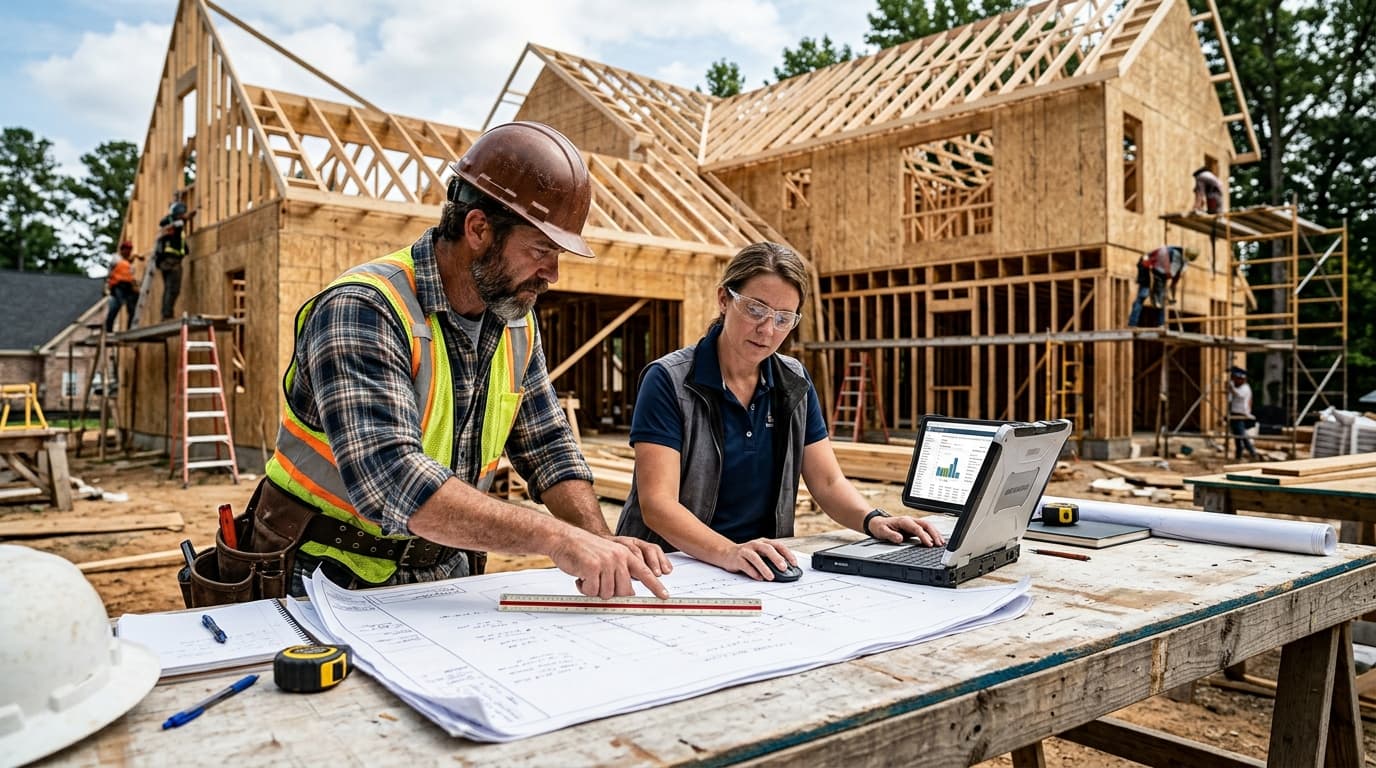
Labor is often one of the largest components of any construction estimate. Even when material quantities are accurate, underestimating labor can quickly erode project profitability. To calculate labor costs effectively, begin by estimating the number of labor hours required for each activity. Consider factors such as:
- Project complexity
- Crew size
- Worker productivity
- Site accessibility
- Weather conditions
- Local labor availability
- Project schedule
For example, installing drywall in an open commercial office may require fewer labor hours than working within a complex renovation where access is limited and existing finishes must be protected. Once labor hours have been estimated, multiply them by the appropriate hourly labor rate. Be sure to include not only wages but also payroll taxes, insurance, benefits, overtime, and other employer-related expenses. Experienced estimators also evaluate project-specific conditions that may impact productivity, including:
- Night or weekend work
- Occupied buildings
- Tight construction schedules
- Safety requirements
- Restricted site access
- Coordination with multiple trades
Accounting for these variables helps create a labor estimate that reflects real-world project conditions rather than ideal assumptions. Remember, winning more bids isn't about offering the lowest price it's about submitting the most accurate and realistic estimate. Contractors who understand their true labor costs are better positioned to protect profit margins while remaining competitive in today's construction market.
Step 4: Include Equipment and Subcontractor Costs
With your material and labor costs in place, it's time to account for equipment and subcontractor expenses. These costs are often overlooked during the estimating process, but they can significantly impact your final bid.
Equipment Costs
Many construction projects require specialized equipment that either needs to be rented or operated from your existing fleet. Depending on the project, this may include:
- Excavators and loaders
- Cranes
- Scissor lifts
- Concrete pumps
- Forklifts
- Compactors
- Power tools and generators
When estimating equipment costs, consider more than just the rental fee. Include transportation, fuel, maintenance, operator wages (if applicable), and the number of days the equipment will be on-site.
Subcontractor Costs
If portions of the project will be completed by subcontractors such as electrical, plumbing, HVAC, roofing, or fire protection request updated quotes before finalizing your estimate.
Rather than relying on previous projects, compare multiple subcontractor proposals to ensure competitive pricing and verify that their scope matches the project requirements.
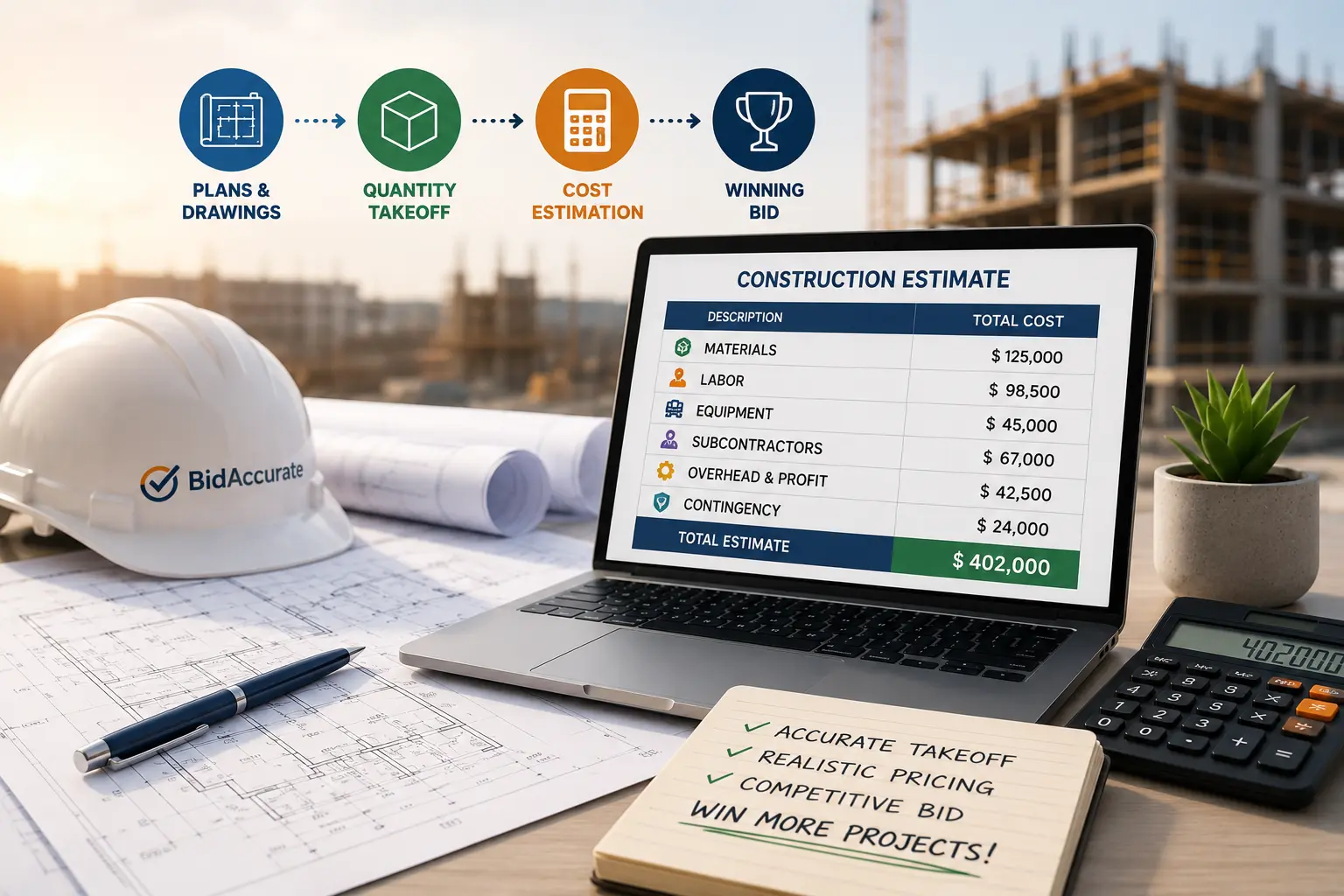
Step 5: Add Overhead, Profit, and Contingencies
Many contractors focus only on direct construction costs, but a winning construction estimate must also account for the expenses required to operate the business.
Overhead
Overhead includes indirect business expenses that cannot be assigned to a single project, such as:
- Office rent
- Administrative salaries
- Software subscriptions
- Insurance
- Marketing
- Vehicles
- Licensing
- Accounting services
- Office utilities
These expenses should be allocated appropriately across your projects rather than ignored during estimating.
Profit Margin
Every project should generate a reasonable profit. While profit margins vary depending on project type, competition, and market conditions, contractors should avoid lowering margins simply to win work. A project with little or no profit may keep crews busy, but it doesn't support long-term business growth.
Contingency
Construction projects rarely go exactly as planned. Material price fluctuations, unforeseen site conditions, weather delays, or design changes can all affect project costs. Including a reasonable contingency allowance helps absorb unexpected expenses without compromising profitability.
Common Mistakes Contractors Make
Even skilled estimators can make mistakes that reduce profitability or lower their chances of winning bids. Some of the most common estimating errors include:
- Working from outdated construction drawings
- Missing materials during the quantity takeoff
- Using old supplier pricing
- Underestimating labor hours
- Forgetting equipment rental costs
- Ignoring overhead expenses
- Applying unrealistic profit margins
- Failing to review the estimate before submission
Avoiding these mistakes improves estimate accuracy and helps contractors submit bids they can confidently stand behind.
Why Professional Estimating Services Save Time and Money
Preparing a detailed construction estimate requires technical expertise, industry knowledge, and considerable time. For contractors managing multiple projects or working with tight deadlines, outsourcing estimating services can be a practical solution. Professional estimators bring several advantages:
- Faster turnaround times
- Accurate quantity takeoffs
- Current material pricing
- Consistent estimating methods
- Reduced workload for internal teams
- Improved bid accuracy
- More time to focus on project management and client relationships
Outsourcing doesn't replace your expertise it supports it by providing reliable estimating data that helps you bid more efficiently and confidently.
Final Thoughts
A quantity takeoff is the starting point of every successful construction estimate but it's only one piece of the puzzle. Turning accurate material quantities into a winning construction estimate requires careful pricing, realistic labor calculations, equipment planning, subcontractor coordination, and thoughtful consideration of overhead, profit, and contingency costs.
Contractors who follow a structured estimating process are better equipped to submit competitive bids, reduce costly errors, and improve project profitability. Rather than relying on assumptions or outdated pricing, investing time in a detailed estimate creates confidence for both your business and your clients. Whether you're bidding on residential homes, commercial buildings, or industrial facilities, the quality of your estimate often determines the success of the project before construction even begins.
Frequently Asked Questions
Can I prepare a construction estimate without a quantity takeoff?
While it's possible for very small projects, it's not recommended. A quantity takeoff provides the measurements needed to calculate accurate material costs and forms the foundation of a reliable estimate.
How often should material prices be updated?
Material prices can change frequently. It's best to request updated supplier quotations before submitting major bids, especially for large commercial or long-duration projects.
What is the biggest mistake in construction estimating?
One of the most common mistakes is underestimating labor costs. Labor often represents a significant portion of the total project cost, and inaccurate productivity assumptions can quickly reduce profit margins.
Is estimating software enough to produce accurate estimates?
Estimating software improves efficiency, but accurate estimates still depend on experienced professionals who understand construction drawings, project scope, local market conditions, and pricing.
Should I include contingency in every estimate?
Yes. While the percentage varies depending on project complexity and risk, including contingency helps protect your business against unforeseen costs and project changes.